
bird watching
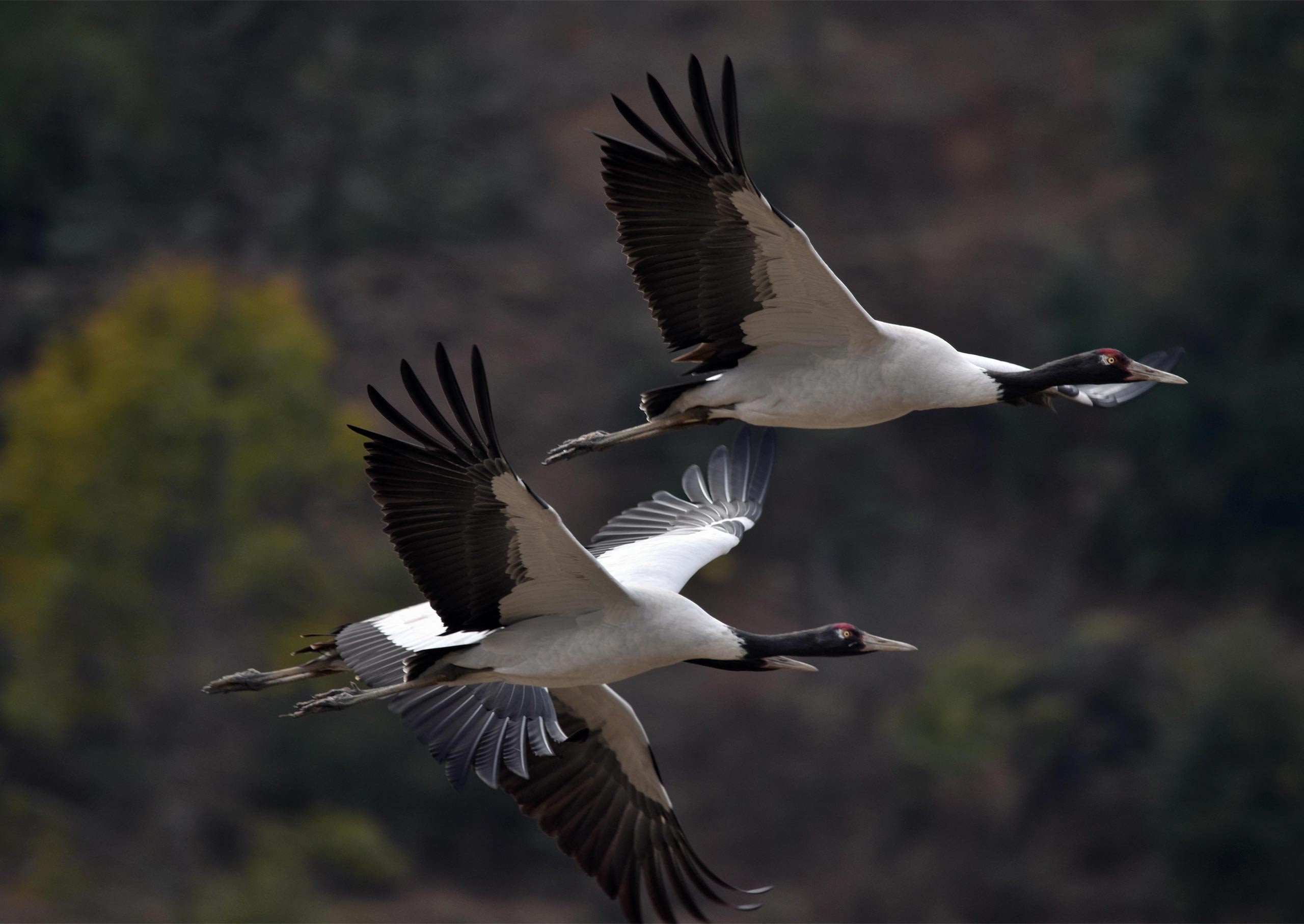
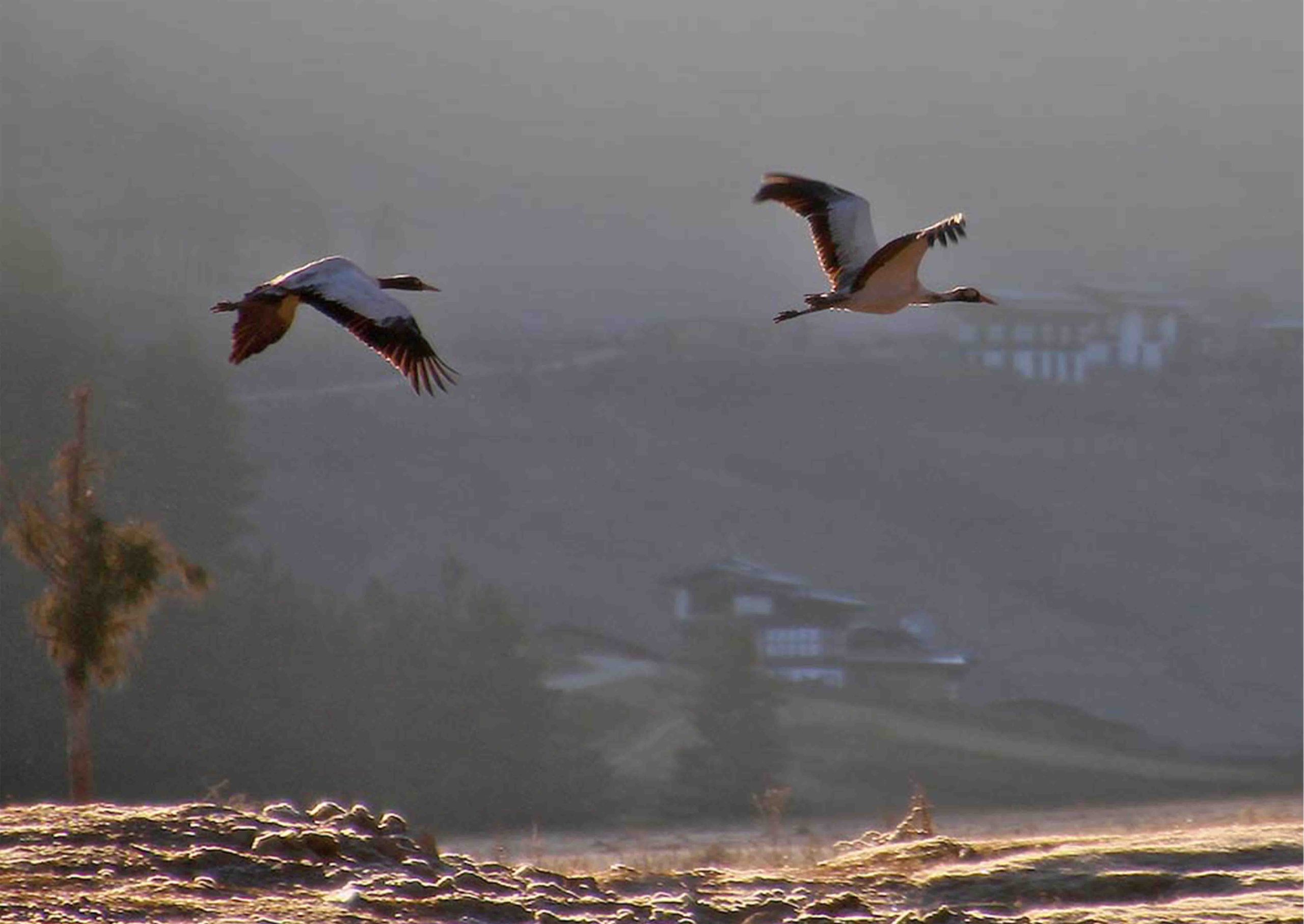
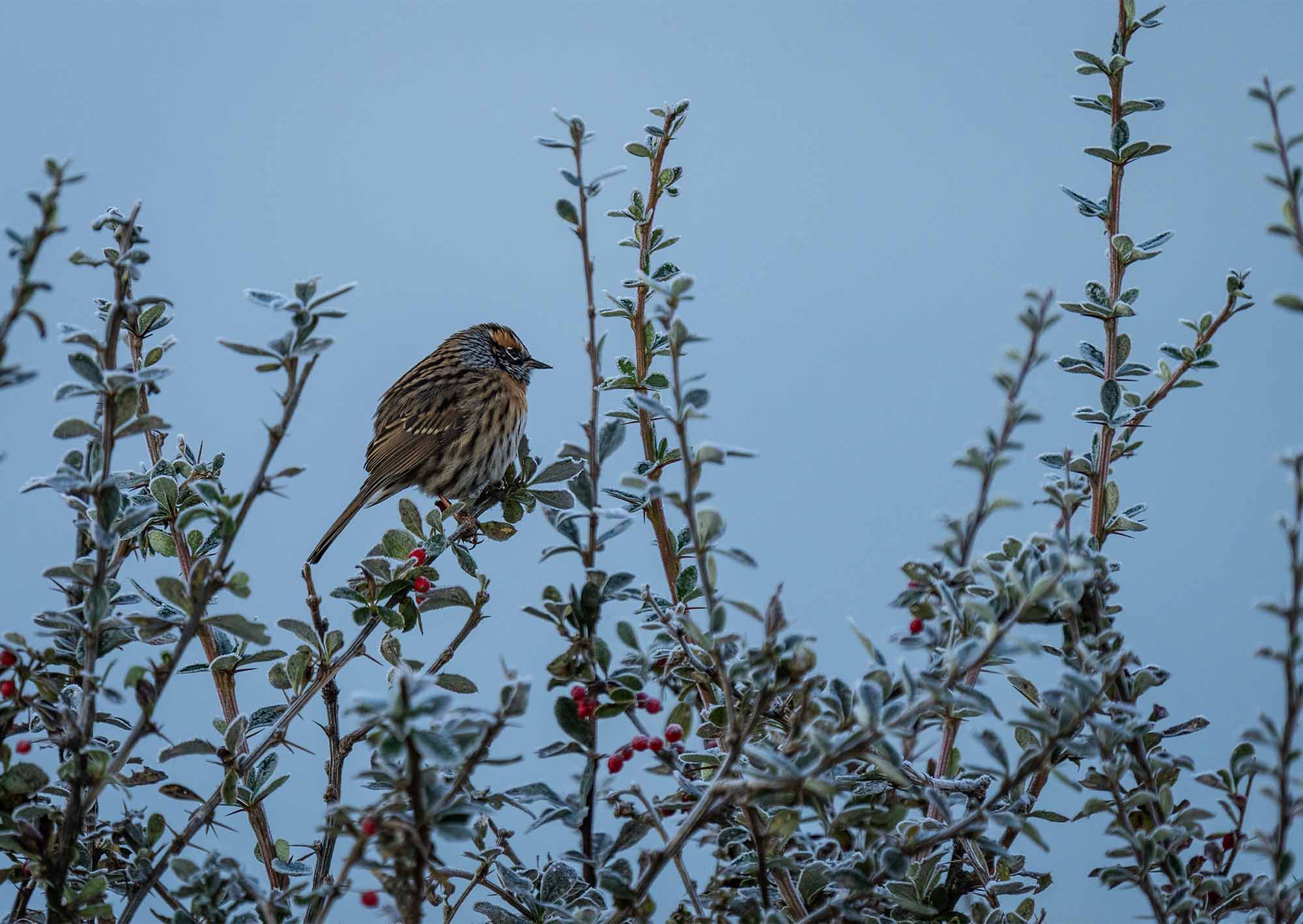
Bhutan is a bird lover’s paradise, home to over 770 recorded species, with many more yet to be discovered. Around 50 species are winter migrants, including ducks, waders, birds of prey, thrushes, finches, and buntings. The country’s wide range of agro-ecological environments, from subtropical to alpine, contributes to its rich avian diversity. Notable species include the Black-necked Crane, a rare and endangered bird that holds a special place in Bhutanese folklore, protected by law. Bhutan also hosts 667 species for bird watchers, including many that are globally threatened. Factors such as moist climate, wide altitude range (200m to 7,000m), low population density, vast forest cover (72% of land), and strict conservation policies make Bhutan one of the most biodiverse regions in the world.
Key Birding Routes and Highlights
Paro – Thimphu via Chele La Pass: Early morning visits to Chele La Pass offer sightings of the Himalayan Monal, Blood Pheasant, and Satyr’s Tragopan. Along the return to Thimphu, birders may encounter Kalij Pheasant, White-winged Grosbeak, White-browed Rosefinch, Spotted Nutcracker, Rufous Sibia, White-browed Fulvetta, Brown Parrotbill, Stripe-throated Yuhina, and various Eurasian warblers. Downtown Thimphu may reveal Ibisbill, River Lapwing, Ruddy Shelduck, and other shorebirds.
Thimphu (Cheri Valley): Cheri, a quiet Buddhist retreat, is home to species such as Yellow-rumped Honeyguide, Rufous-bellied Woodpecker, Mrs. Gould’s Sunbird, Blue-fronted Redstart, Rufous-flanked Yellow-brown Tit, Black-faced Laughingthrush, Wallcreeper, among others.
Thimphu – Punakha via Dochu La: En route to Punakha, birders can spot Satyr’s Tragopan, Red-flanked Bluetail, Golden Bush-Robin, Grey Bushchat, Rufous-breasted Accentor, Blue-winged, Red-tailed, and Chestnut-tailed Minlas, Fulvettas, and Yuhinas.
Punakha (Tashithang): At 5,000 feet, the forests harbor species like Crested Kingfisher, Lesser Shortwing, Greater Yellownape, Bay Woodpecker, Orange-bellied Leafbird, Forktails, Pygmy Wren-babbler, Golden Tree-Babbler, Laughingthrushes, Shrike-Babblers, Tesias, Niltavas, Black-throated Tits, and occasionally Yellow-throated Martins, Assamese Macaques, or the rare Tawny Fishing Owl.
Punakha – Pele La: Along the river and through broadleaf and evergreen forests, birders may see White-bellied Heron, Cutia, Great Barbet, Darjeeling Woodpecker, Long-tailed Minivet, Scimitar-Babblers, Laughingthrushes, Fire-tailed Myzornis, Yellow-bellied Bush-Warbler, Ashy-throated Leaf Warbler, Verditer, and Ward’s Trogon.
Pele La – Trongsa: The pine forests near the pass host Rusty-flanked Treecreeper, Dark Rosefinch, Himalayan Greenfinch, Tits, Common Buzzard, Mountain Hawk-Eagle, Steppe Eagle, Himalayan Griffon, and a good chance of spotting tragopans.
Trongsa – Bumthang: The Bumthang valley offers sightings of Yellow-rumped Honeyguide, Beautiful Rosefinch, Eurasian Sparrowhawk, Spotted Laughingthrush, Ibisbill, Snow Pigeon, and occasionally the Himalayan Black Bear.
Limithang Road Camping – Eastern Bhutan: At elevations of 3,000–12,400 feet, the Limithang valley features pristine forests and abundant bird life, with opportunities to see Rufous-necked Hornbill, Ward’s Trogon, Satyr’s Tragopan, and many others. Birders can track Collared Scops-Owl, Collared Owlet, Himalayan Swiftlet, Bulbuls, Fulvettas, Scimitar-Babblers, Prinias, Flycatchers, Dorangos, Scarlet Finch, among others.
Migrant and Vulnerable Species
Bhutan hosts partial migrants, including cuckoos, swifts, bee-eaters, warblers, and flycatchers. Over 16 vulnerable species breed in the country, such as Pallas’s Fish Eagle, White-bellied Heron, Satyr Tragopan, Gray-bellied Tragopan, Ward’s Trogon, Blyth’s Kingfisher, Yellow-rumped Honeyguide, Rufous-throated Wren Babbler, Chestnut-breasted Partridge, Blyth’s Trogon, Wood Snipe, Dark-rumped Swift, Rufous-necked Hornbill, Gray-crowned Prinia, and the Beautiful Nuthatch.