Druk Path Trek
This is a 3-day trek from Sangaygang near Thimphu to Paro, crossing high-altitude passes, lakes, and yak herder camps. Highlights include Phajoding Goemba, panoramic Himalayan views, Jangchula, and the historic Jilli Dzong, before descending into Paro valley.
In essence: A scenic and culturally rich trek combining Bhutan’s natural beauty, high passes, and sacred sites between Thimphu and Paro.
itinerary
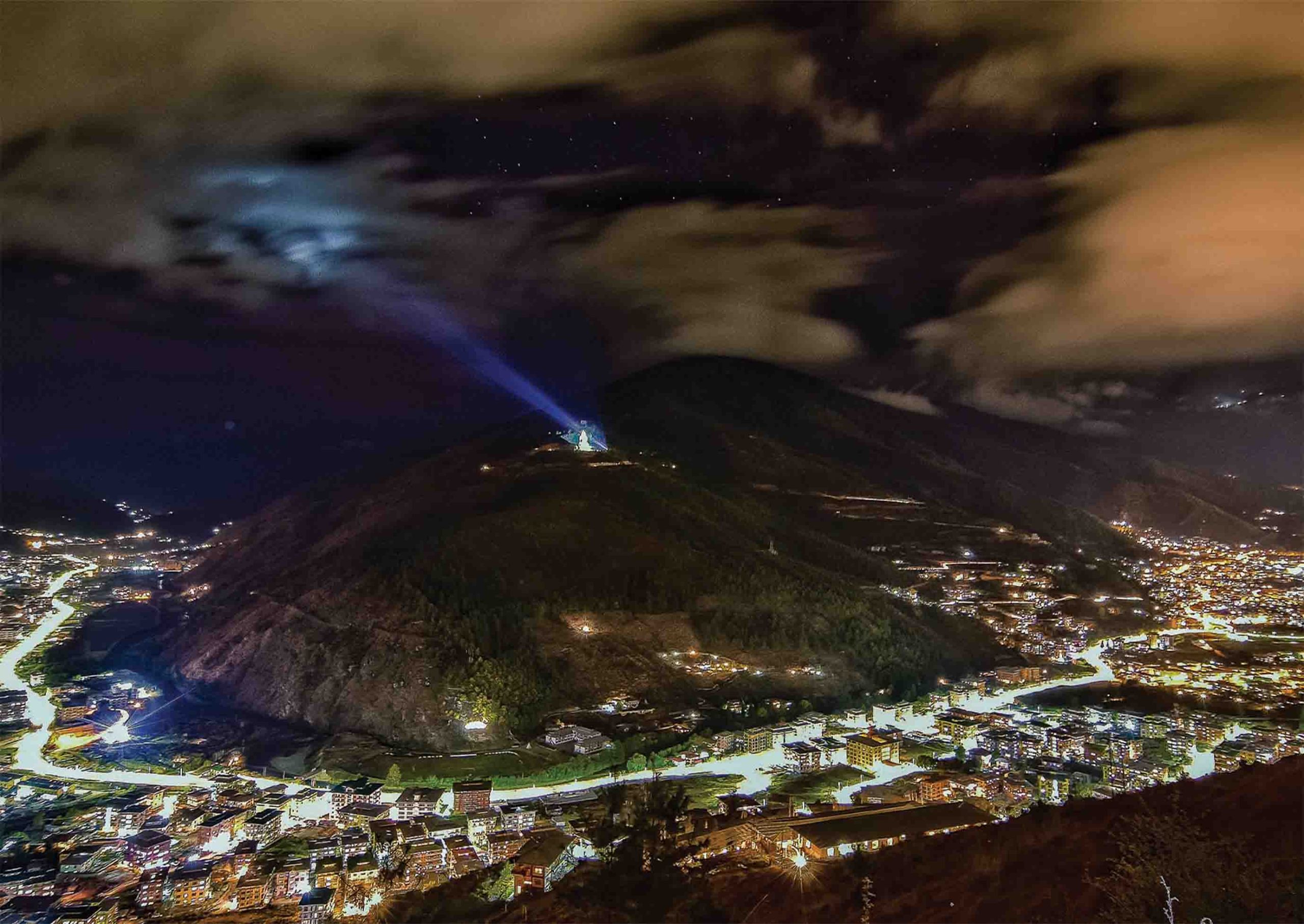
The trail head starts from Sangaygang, which has the radio broadcasting tower for the only radio station in the country (which from 1999 has started broadcasting TV programs also). To get there, you have to pass by the Takin Enclosure and if you have not been there before, you could visit the national animal and drive up to the Sangaygang from where you have superb view of Thimphu in all direction.
Sangaygang is one of the picnic spots of the Thimphu inhabitants, where they come to put up prayer flags and have picnic lunches. As such you will find hundreds of prayer flags on poles and strung across the trees. This marks your 200m steep ascent up to Chhokhortse Goempa (3010m/9870ft) in a clearing. After this the trail to Phajoding becomes less steep till you reach a junction with path to left taking you back to Thimphu – Motithang and the right one taking you to Bhutanese Chorten at 3440m. After this you walk for about 45 minutes to reach the Phajoding, where you could visit the Phojoding Goemba, one of the numerous temples and meditations centres scattered across the hill. A Tibetan yogi called Togden Pajo in the 13th century founded this goemba. Other buildings were constructed during the first half of the 18th century. This complex of building includes Thuji Dra, a meditation centre hanging on the side of cliffs at 3950m.
After about 20 minutes of climb you come out in clearing which is usually used as camps for herders and trekkers. The staff would be waiting for you here with your packed lunch.
You might really want to pack in lunch because there would be five passes to cross before you reach your campsite Simkotra. To reach the Phume La (4080m) you have sharp climb on a maze of eroded trails at first and then level walk southwest to the pass. From here you could view the Gangkar Punsum and other Himalayan peaks from here and also the Thimphu valley sprawled below.
After this you climb bit higher to crest at 4120m and then go across to a hill with some prayer flags and a stonewall that marks the sky burial site. Then you drop down to Labana where there is almost dry lake at 4110m. Labana means ‘between the passes’ so you have to climb over another crest at 4210m and traverse along a broad valley, where you could view Dochula and Jumolhari. The path then ascends gradually to group of Cairns atop Labana La (‘Pass between passes’). After long walk over rocky path and several descent past several false summit, you will be at your campsite near stone ruins overlooking Simkotra Tsho.
Today, we climb at first climb about 50m to a ridge at 4150m and then descend to Janye Tsho at 3950m. Continue walking along the shore to reach yak herder’s camp and then climb another 100m to crest where you have view of the lake you passed. Then you make several ups and downs to another ridge and then make climb to a single stone shelter. From there you traverse along the side of the ridge to descend to lake Jimilang Tsho.
There is pleasant camping site at one end of the lake, with plenty of trout. The name Jimilang Tsho means ‘Sand Ox Lake’ and was called after a bull that emerged from the lake to join the cattle of family that uses the area as summer grazing ground.
After leaving the lake, you traverse to the crest and then make a short decent through boulders and rhododendrons at first and then through forest. Then make climb for about an hour to the top of a ridge at 4175, from where you have view of Jumolhari and Paro valley. After this you descend to valley and make climb up to a meadow, where yak herder’s camp and is known sometimes as Labana. After the open it is only short gradual climb to the small pass at 4080m with again the view of Jumolhari and Paro valley below.
Leaving the pass you descend further to an open and plain area called Jangchulakha where you could have your lunch if you have crossed the pass in good time. This plain area is where Yak Herder’s camps are set and where they have pasture for their cattle.
After breakfast, we negotiate steep descend further down to the valley from where you climb back to Jilli Dzong. Just 10 minutes before reaching the dzong you have come onto the ridge at 3700m from where you have superb view of the valley surrounding. After making some ups and downs, you come out camping place just below the Jilli Dzong. You can either visit this Dzong next day or this day, if light permits. This fort overlooking the Paro valley below and the peaks lining the Tibetan borders is impressive. It was built by Drukpa Kunley’s (Divine Madman) cousin Ngawang Chogyel during the 16th Century, earlier than the most of the dzongs you would have visited around the country. The principal figure in the main temple is of historical Buddha.
After Jili Dzong, you will drop more than 1000m after climbing just for about 80m to a small pass at 3515m and then descend down through forest of bamboo, blue pine and fir. After descending for about 200m you will come across gigantic over 600 years Hemlock tree which dominates the surrounding vegetation.
Near here the path joins from the one from Damji after which you would come across Mani wall in flat open field at around 2995m. The route after an hour walk let you have the view of your destination – the Paro valley below. After half an hour’s descend you come to the start of feeder road used during the apple season in place called Damchena where the representative of ER tours and treks will receive you to mark your end of the trek.